Laboratory sustainability works only when it respects patient testing schedules, quality control, and service coverage. Beckman Coulter helps teams evaluate refresh timing, idle power, recycling documentation, and reagent logistics alongside the operational realities of a busy core lab.
A 220-bed regional hospital ran aging chemistry and hematology instruments across two shifts. The facility team wanted to reduce electricity demand, but the laboratory could not accept a refresh plan that created downtime or forced unvalidated interface changes. Beckman Coulter began with a current-state review: analyzer age, idle draw, service events, reagent storage, sample routing, and the validation effort required to move any result-producing workflow.
"Sustainability is useful only when the night shift still has the instruments, reagents, and support needed to release patient results."
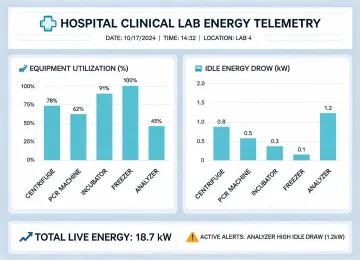
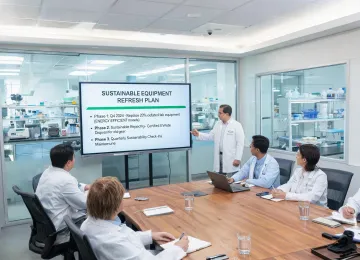
The practical roadmap combined scheduled replacement, service consolidation, operator retraining, and recycling certificates for retired equipment. The team prioritized analyzers with the highest idle draw and the weakest parts outlook, then built the change around planned validation windows instead of an arbitrary fiscal deadline. Energy savings were documented, but so were QC stability, downtime risk, and the training hours needed to keep operators comfortable after go-live.
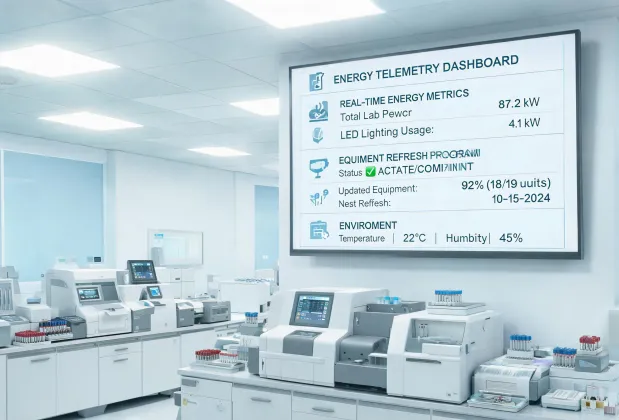
Older analyzers, refrigerators, centrifuges, and track components can all contribute. A useful assessment ranks energy draw together with uptime risk and replacement complexity.
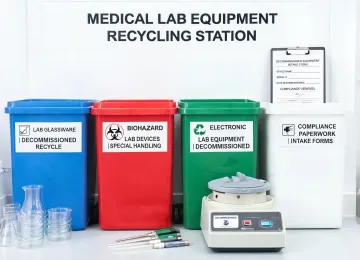
Yes, but the process should document asset removal, data handling, reagent or consumable separation, and recycling certification for internal compliance records.
They do not have to. The roadmap should align refresh timing with method comparison, QC baseline review, LIS testing, and operator competency records.
Operational energy and utilization metrics should avoid patient identifiers. If any system access could expose protected information, privacy terms must be documented before remote support begins.
Share the age of your installed base, current service history, and any facility energy goals. We will help separate practical refresh opportunities from changes that would create unnecessary validation burden.